
Your coin, bound to a real graded card
Pick a slab by its certificate number. The pairing is written on chain and cannot be rewritten, and every fee the coin earns buys it back and burns it.
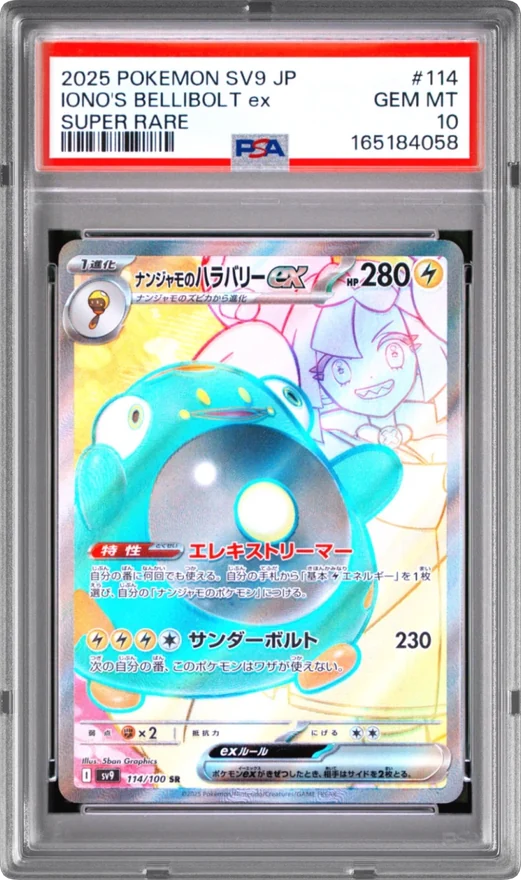
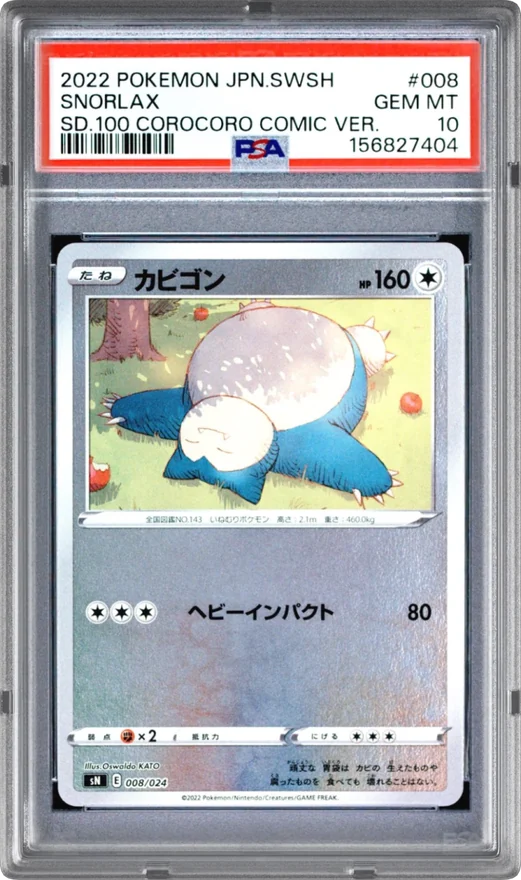
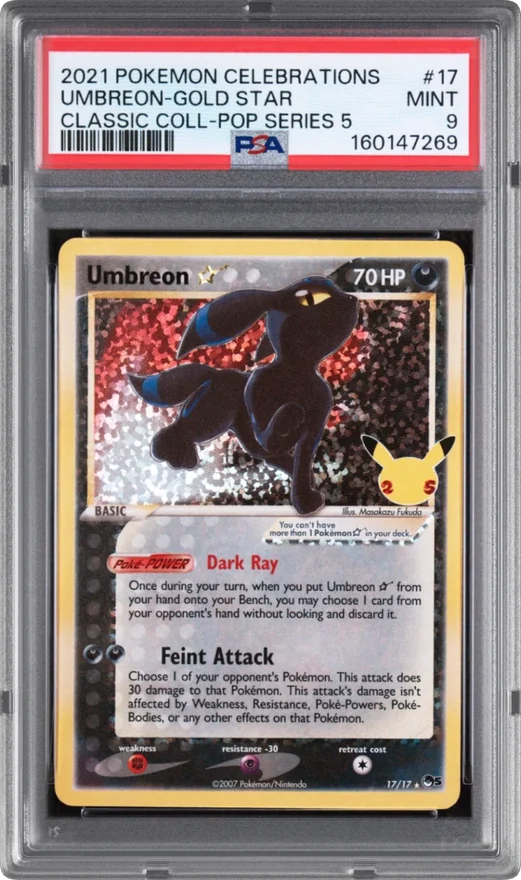
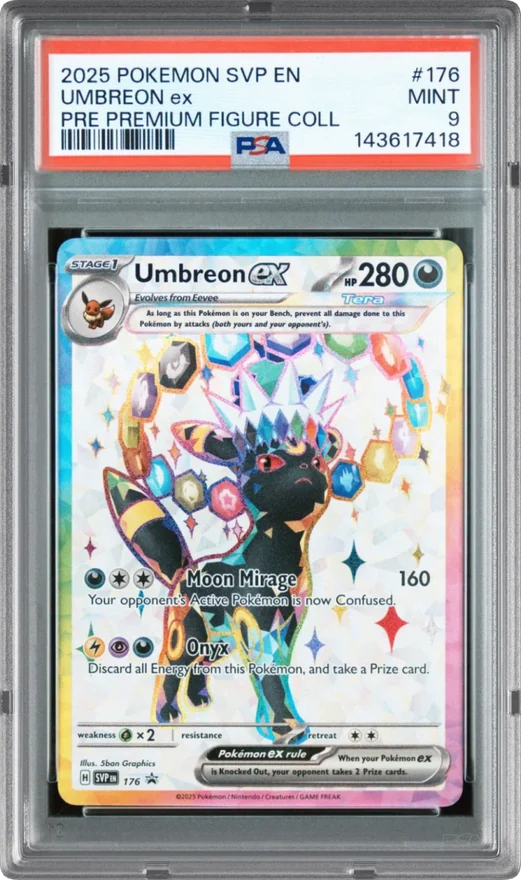
The binding
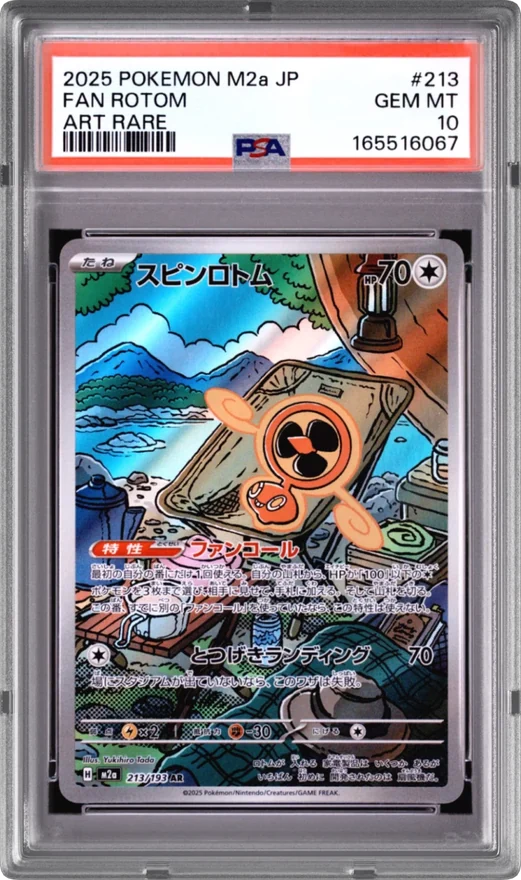
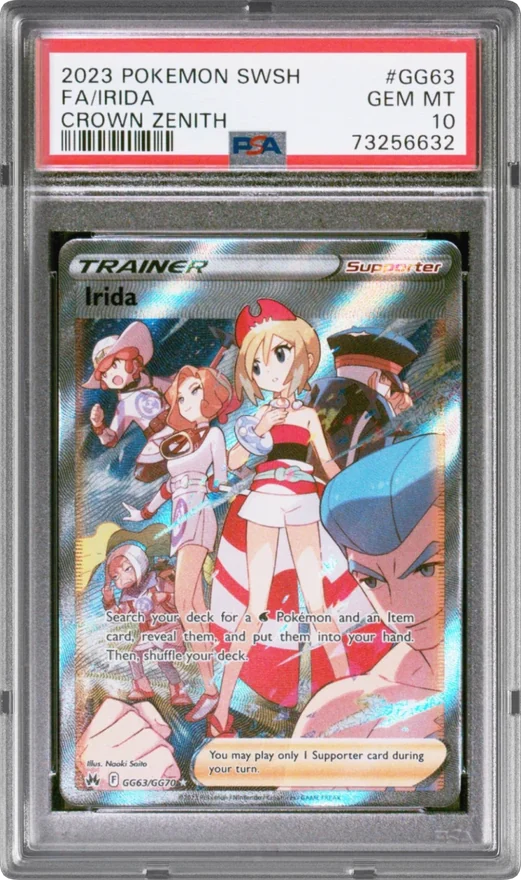
A certificate number on chain, not a caption in an interface
The pairing is written when the coin is bound: grading company, certificate number, and the card as graded. There is no setter behind it, so a launch cannot swap the slab behind it for a cheaper one after people have bought. Check the cert yourself.
The burn
Every fee the coin earns buys it back and burns it
Creator fees arrive at the vault and do exactly one thing: buy the coin on its own pool and send it to the dead address. No treasury, no reserve, no withdraw, no owner. Supply only falls, and anyone can trigger it.
The lifecycle
Curve first, card after
Bind
Reserve the certificate. The grading company, cert number and card as graded are written once and are never rewritable. One coin per certificate, enforced on chain.
Launch
The coin launches on pons v2 with the vault named as its creator fee recipient. Name, symbol, image and the dev buy are all set at launch.
Fees
Every trade pays a creator fee. It accrues to the vault rather than to a wallet somebody controls, and the vault has no function that pays anyone.
Burn
Anyone can call recycle. It claims the fees, buys the coin on its own pool and sends every token bought to the dead address. It pays the caller nothing.
The difference
Bound, not captioned
Elsewhere
A card in the metadata
An image and a name typed into a launch form. Nothing stops it being a different card tomorrow, nothing stops two coins claiming the same slab, and once the launch page is gone there is no record tying the coin to anything at all.
Here
A cert number in a contract
The certificate goes into a contract with no setter and no owner. One coin per certificate, refused at the second attempt. You can read the pairing back off Robinhood Chain and verify the cert against the grader yourself.
The binding record
What gets written down
Binding a coin writes a row anybody can read back from Robinhood Chain. This is the shape of that row.
- Grader
- PSA, CGC or BGS, as the slab was actually graded
- Cert
- The certificate number, which is the part you can verify against the grader
- Card
- Set, year, number and name, written as it reads on the label
- Creator
- The wallet that bound it, and the only wallet whose launch will match
- Token
- The coin address the pairing is keyed to, derived before the coin exists
- Burned
- Total ETH the vault has spent buying this coin back, running
Questions
The short answers
Does the coin own the card?
No, and this is the thing to be clear about. The slab is a Courtyard NFT on Polygon and nothing on Robinhood Chain can hold it. What is on chain here is the pairing: which certificate this coin refers to, written so it cannot be changed. That is a claim you can verify, not collateral you can redeem.
What does Slabr take?
Nothing. There is no protocol fee and no allocation of any coin launched here. The vault contract has no owner, so there is no key anyone could use to change that later.
What happens to the fees?
They buy the coin on its own pool and the tokens go straight to the dead address. The vault has no withdraw, no owner and no path that pays anybody, so the only thing it can do with a fee is burn supply. Anyone can trigger it and the caller earns nothing for doing so.
Is any of this audited?
No. The contracts are unaudited and you should read them before sending anything. Nothing here is an investment, a security, or advice, and a coin with a card behind it can still go to zero.